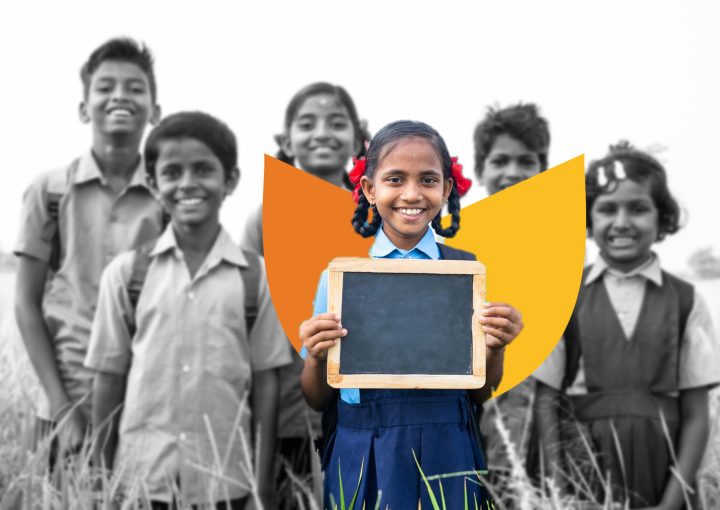
Your donation will help create safe learning spaces for all children and teachers in government schools.
Out of every rupee that is donated to Pehlay Akshar, 90 paise goes towards direct and in-direct program expenses like content development, teacher training, on-ground implementation, program team salary, etc. and 10 paise goes towards the operational expenses of Pehlay Akshar. This includes the cost of Finance, Communications, Strategy and HR, and other such functions, necessary to support the organization.
Pehlay Akshar is committed to and practices good governance. It is accountable and transparent to all its stakeholders.
*Your Donation will be eligible for exemption under section 80G of the Income Tax Act, 1961. Learn more about 80G document
T&C Agreement * I have read through the website’s Privacy Policy and agree to make a donation. I confirm that the information given in this form is true, complete, and accurate.
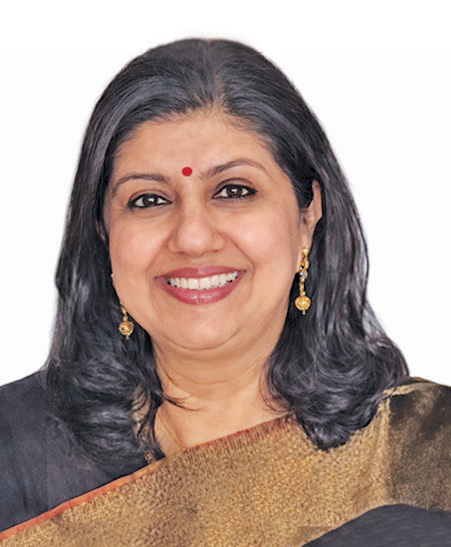
Radha Goenka is a philanthropist, writer, and mother dedicated to empowering women, youth, and children through education and vocational training for meaningful employment.
In 2008, she entered the social sector, driven by the stark gap between private and government schools. Recognizing the need for a program tailored to first-generation learners, she designed an approach that nurtures curiosity, critical thinking, and communication skills.
Fueled by her belief that the right education in the right environment can transform lives, she founded Pehlay Akshar Foundation to equip students with Functional English and essential life skills.
With a degree in Business Communication from the University of Pennsylvania and extensive experience in the social sector, Radha has shaped and expanded impactful programs, making them a driving force in her mission to enhance employability and transform lives across India.
Advisors
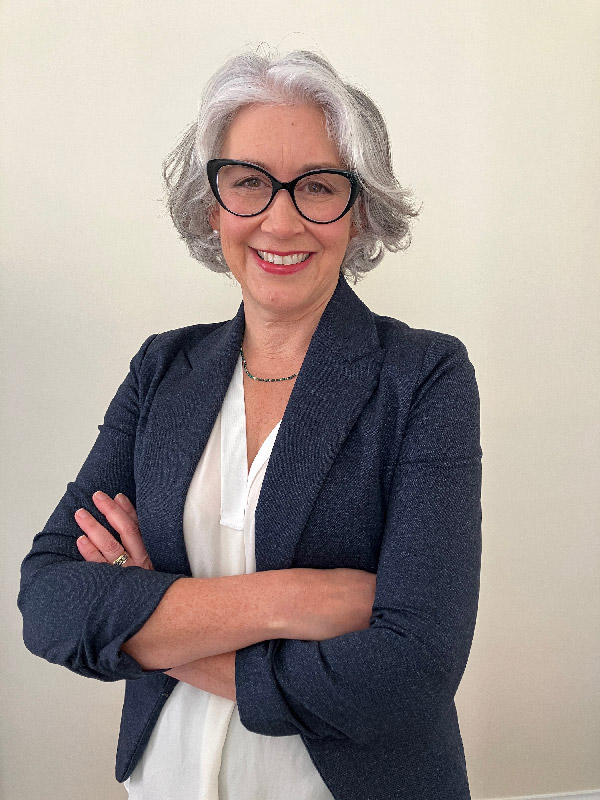
Anne Pomerantz is Professor of Practice at the University of Pennsylvania, Graduate School of Education. Her work focuses on strengthening language education through research-informed, contextually responsive approaches to instruction and teacher development. With experience spanning classroom teaching, curriculum design, and ethnographic research, Dr. Pomerantz brings both practical insights and analytical rigor to educational improvement efforts.
In recent years, she has partnered with school districts and community-based organizations in the United States to support instruction for immigrant students. Moreover, she has worked closely with universities, ministries of education, and private institutions in Latin America and Asia seeking to advance the teaching and learning of English as a global language. Dr. Pomerantz is the co-author of Humor in the Classroom: A Guide for Language Teachers and Educational Researchers, and a frequent presenter at conferences for applied linguists and language educators.
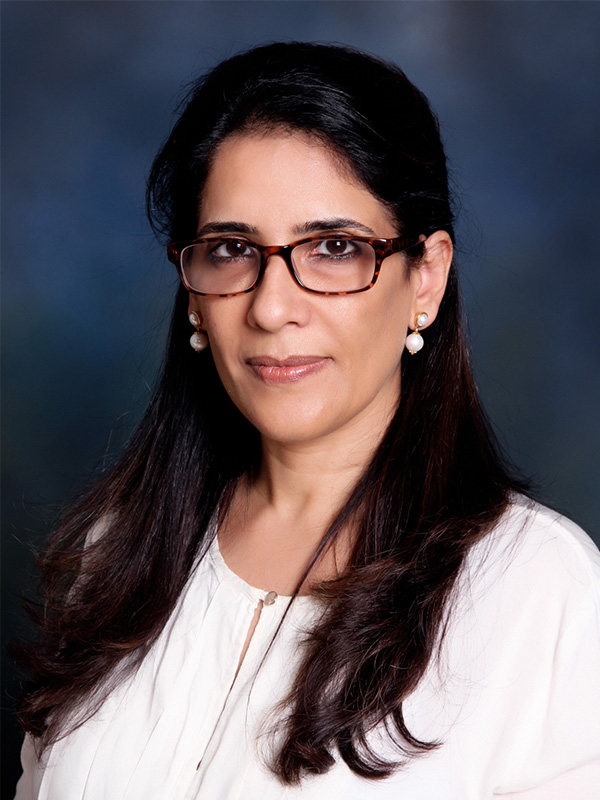
Suzanne Singh has been working in the non-profit education sector since 2003.Deeply interested in issues of equity and access to quality education, she has been part of the early leadership teams at Pratham Books and Akshara Foundation. As Chairperson of Pratham Books from 2014 till 2022, she, along with her team, played a major role in using technology and innovation, to enable the organisation to scale its mission of reaching ‘a book in every child’s hand’. She currently serves as a Trustee of Pratham Books and Akshara Foundation. Prior to her move to the non-profit world, she had had spent 14 years in marketing and communications in the corporate sector.
Sangeeta Bhansali is the Founder of Kahani Tree, an independent children’s bookstore in Mumbai dedicated to nurturing a lifelong love for reading. Established in 2006, Kahani Tree champions children’s literature from independent Indian publishers, offering a thoughtfully curated, diverse, and multicultural collection.
She is also a Director at Vakils, a longstanding printing and publishing company. A strong advocate for equitable access to quality children’s literature, Sangeeta has led initiatives to create libraries and reading spaces in under-resourced schools and organisations across India. Her work reflects a deep commitment to inclusivity and the belief that every child deserves access to books. Sangeeta believes that fostering a love for reading is one of the greatest gifts one can give a child.
Senior public policy leader with over 35 years of executive experience across governance, public finance, education, healthcare, and social sector transformation. Former Additional Chief Secretary, Government of Maharashtra, she has led large-scale, state-wide programs impacting over 20 million citizens, with a strong focus on institutional reform and digital transformation.
Vandana brings deep expertise in public policy, regulatory affairs, governance and compliance (GRC), and ESG-driven social impact. She has successfully driven multi-sector initiatives including ICT-enabled education systems, vocational training, and pandemic response strategies, ensuring continuity and resilience in public service delivery.
Her leadership spans key government departments including Finance, Health & Family Welfare, and Women & Child Development, alongside roles in public sector enterprises and grassroots administration. She has also built high-impact partnerships with global institutions such as UNICEF, the World Bank, Tata Trusts, and the Bill & Melinda Gates Foundation.
Currently serving as Electricity Ombudsman, Mumbai, she provides independent oversight on regulatory compliance and consumer grievance redressal in the power sector.
Vandana combines strategic vision with operational depth, bringing a unique ability to align government, private sector, and civil society stakeholders to deliver scalable and sustainable impact.
Pehlay Akshar Family
Anis Mulla
Tech
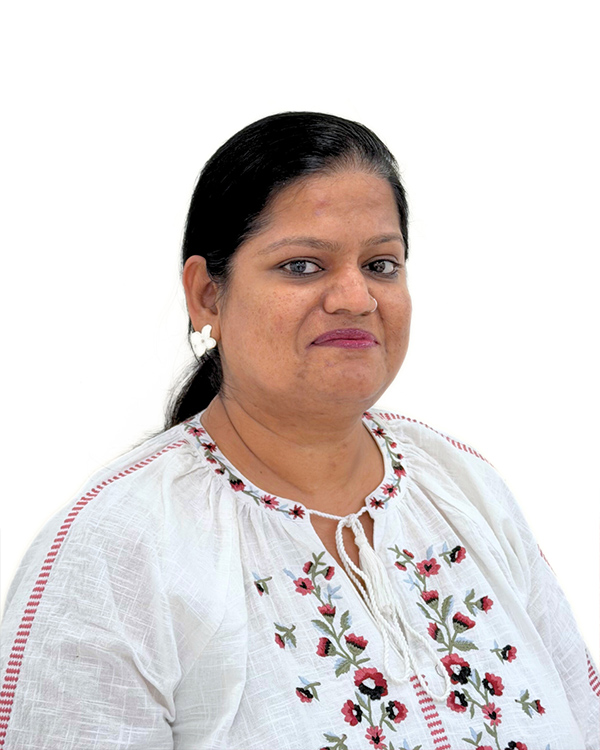
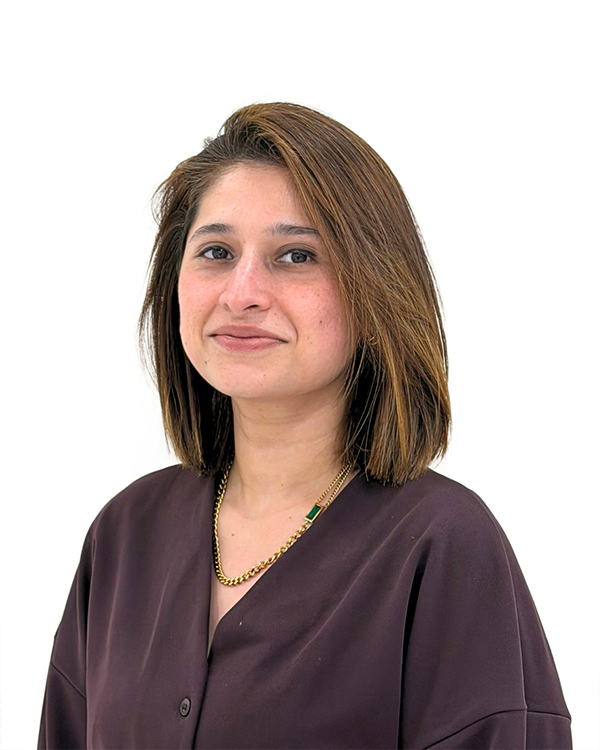
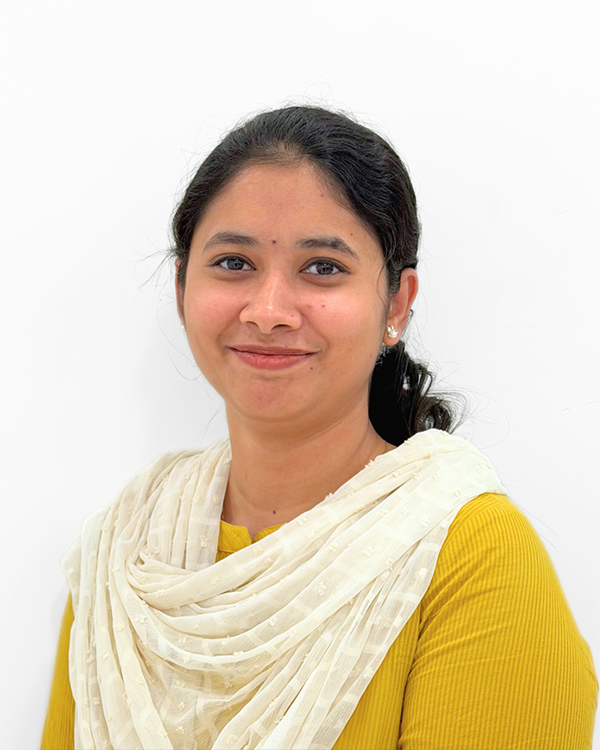
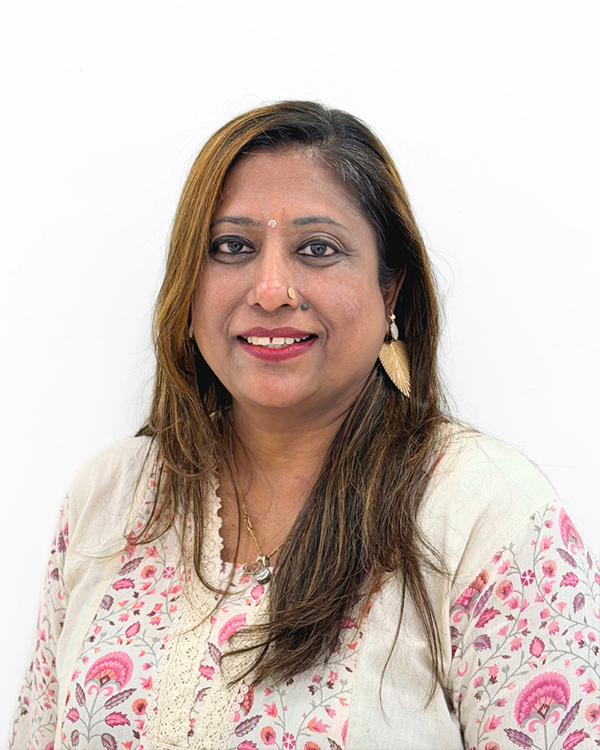
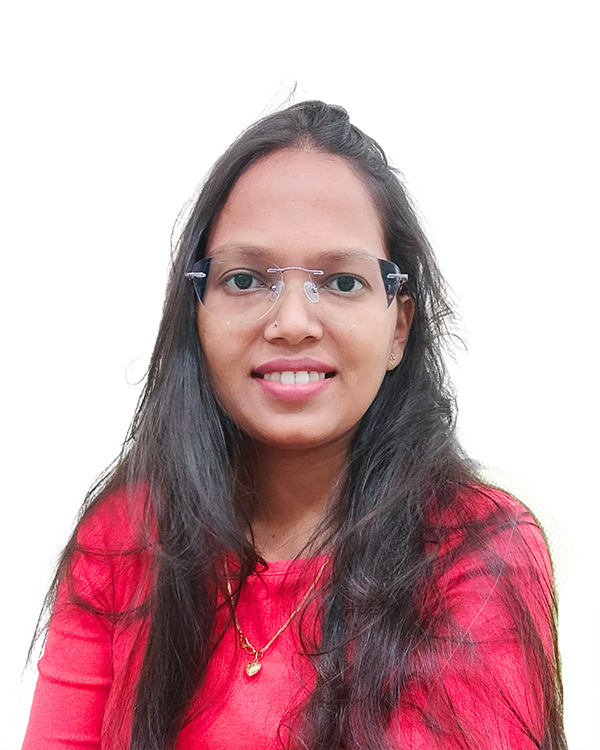
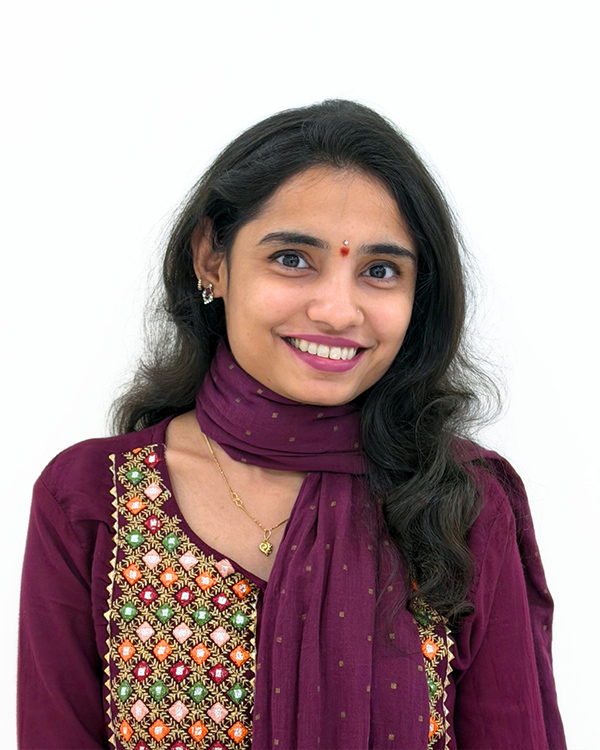
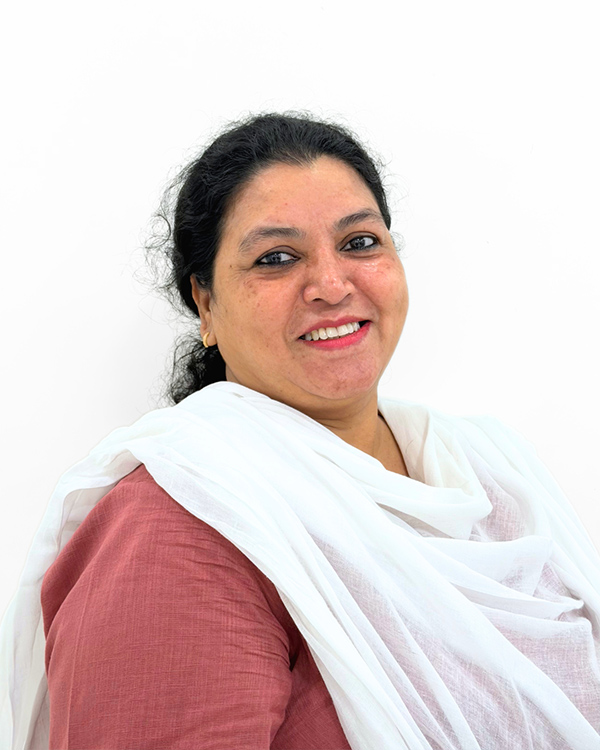
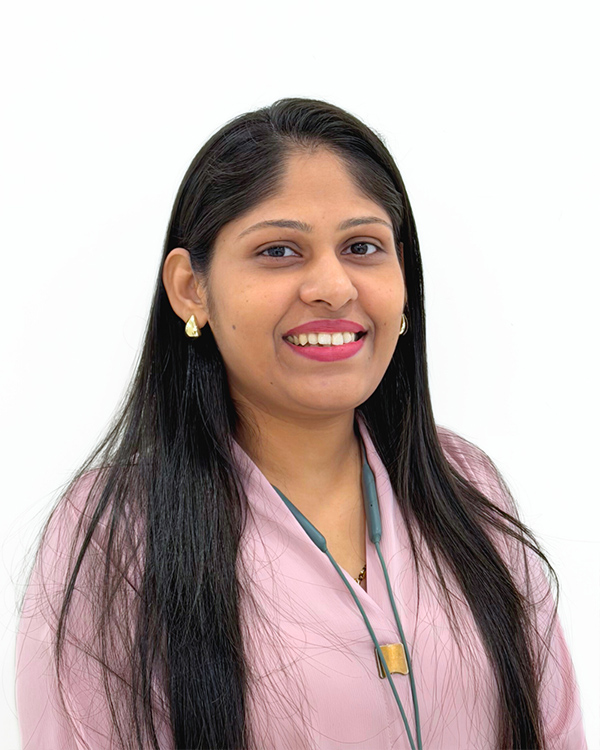
What Does "Safe Space" mean to you?
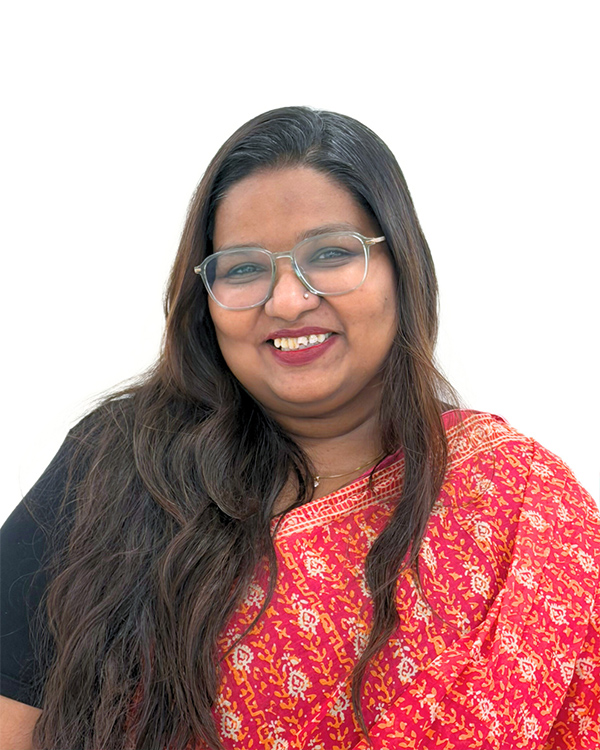
A safe workspace is a place where I feel comfortable to express my ideas and opinions without hesitation.
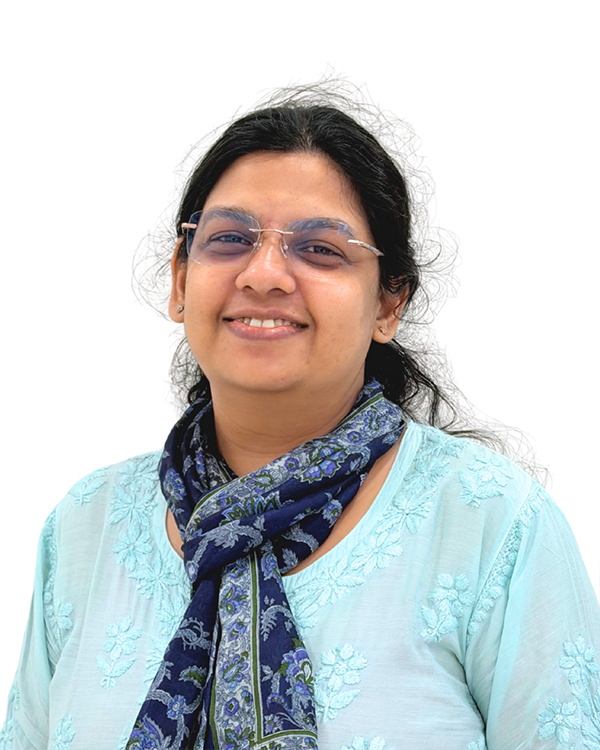
Drawing from Rabindranath Tagore’s ‘mind without fear, head held high’, A safe space is where dignity replaces deficit and every learner belongs to ‘we’
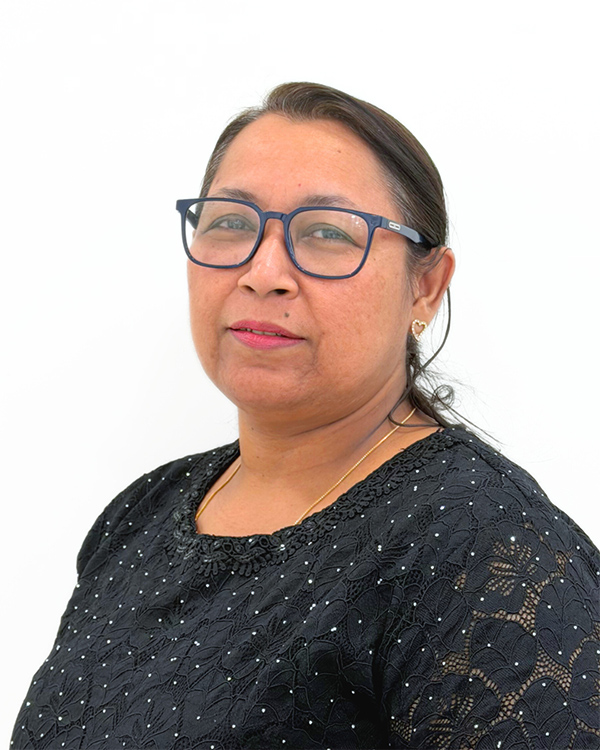
A safe space is an environment where individuals feel physically and emotionally secure, and where mutual respect, active listening, and dignity guide all interactions.
A safe space for me is a workplace where everyone feels respected, heard, and comfortable to express themselves and can share ideas and concerns openly with trust.